
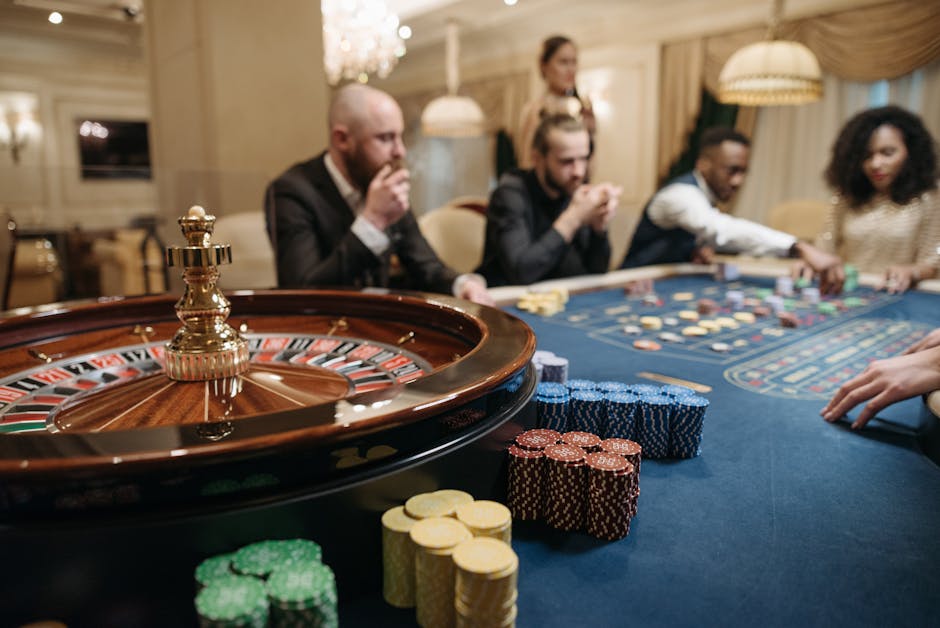
Photo by Pavel Danilyuk on Pexels
The Swedish gambling market has undergone significant transformations in recent years, with policies aimed at regulating the industry more strictly. However, a particular topic of interest is the concept of a “Casino without a Game Break” in Sweden. While the term might suggest a regulatory loophole or a specific market niche, it’s crucial to understand that it directly relates to player preferences and the legal landscape surrounding Swedish gambling regulations. This article explores the intricacies of this notion, comparing regulated Swedish casinos with their international counterparts that operate without mandatory interruptions.
Understanding Swedish Gambling Regulations
Sweden has implemented stringent gambling laws to ensure consumer protection and limit potential harm from gambling activities. The Swedish Gambling Authority, known as Spelinspektionen, oversees these regulations to maintain fair and safe gaming environments. According to the Swedish Government Bill, as of April 1, 2026, the use of credit cards and other forms of credit for gambling will be prohibited. This step is part of broader reforms that include closing all legal land-based casinos by January 1, 2026, as confirmed by the Swedish Riksdag. These measures aim to curb problem gambling and enhance responsible gaming practices.
The prohibition on credit card use marks a significant shift in how gambling transactions are conducted in Sweden. This move is designed to prevent players from incurring debt while gambling, which is a recognized risk factor for developing gambling-related problems. By eliminating this payment method, Sweden reinforces its commitment to fostering responsible gambling habits.
However, while these regulations are strong within Sweden, they do not apply to online casinos operating outside of Swedish jurisdiction. Many players are drawn to these international casinos because they offer games without mandatory breaks or interruptions. This preference has given rise to the term “casino utan spelpaus” or “casino without a break,” commonly sought after by those looking for uninterrupted gaming experiences. These casinos operate outside the purview of Swedish regulations, appealing to players who prioritize continuous play over regulated breaks.
The Appeal of Casinos without Game Breaks
The allure of playing at a casino without game breaks primarily stems from the continuous gaming experience it provides. In Sweden, casinos are required to implement breaks to promote responsible gambling. These breaks are designed to give players time to reflect on their spending and make informed decisions about continuing play. While effective for some, others view these interruptions as disruptive, prompting them to seek alternatives where such pauses are not mandatory.
Online casinos operating outside Sweden’s regulatory scope offer a solution by providing uninterrupted gaming sessions. These platforms attract players who prefer a smooth gaming experience without enforced breaks. It’s important to note that while these casinos offer certain freedoms, they also lack the consumer protections afforded by licensed Swedish platforms, including exclusion tools like Spelpaus. For many players, the ability to play without interruption is worth the trade-off, even if it means sacrificing some level of security and support.
For example, a player who prefers high-intensity gaming sessions might find the mandatory breaks in Swedish casinos frustrating, as they disrupt their concentration and flow. Such players often turn to international platforms where they can set their own pace and play as intensely as they wish, without external constraints. This flexibility can be particularly appealing during high-stakes sessions where timing and momentum are crucial.
Photo by Pavel Danilyuk on Pexels
Risks and Considerations
Playing at casinos without enforced game breaks comes with its own set of risks and considerations. While these platforms might offer more freedom in gameplay, they often lack the regulatory oversight that ensures fair play and player protection. According to iGaming Solutions Analytics, the channelization rate for online casino activities in Sweden is estimated between 72% and 82%, indicating that a significant portion of gambling occurs outside regulated environments. This statistic highlights the popularity of unregulated platforms but also underscores the potential risks involved.
Players engaging with international casinos should be aware of the potential for less stringent security measures, higher risks of fraud, and limited avenues for dispute resolution. Furthermore, these platforms are not subject to Swedish taxation policies, which can impact both the platform’s reliability and the player’s financial outcomes. Without the regulatory framework provided by Spelinspektionen, players might encounter issues such as unfair game practices, delayed payouts, or even fraud.
Additionally, the absence of self-exclusion tools means that players who struggle with gambling addiction may find it more challenging to control their gambling habits on these platforms. In Sweden, tools like Spelpaus allow players to voluntarily exclude themselves from all regulated gambling activities, providing a crucial safety net for those seeking to manage their gambling behavior. The lack of such measures on international sites can lead to increased vulnerability for at-risk individuals.
Comparison of Game Mechanics
Understanding the mechanics behind popular casino games is essential for making informed choices about where to play. Below is a table comparing the house edge and Return to Player (RTP) percentages for various well-known casino games:
| Game | House Edge | RTP | Best For | Speed |
|---|---|---|---|---|
| Blackjack | 0.5% | 99.5% | Strategy Enthusiasts | Fast |
| Baccarat (Banker) | 1.06% | 98.94% | Simple Play | Moderate |
| Craps (Pass Line) | 1.41% | 98.59% | Dice Lovers | Fast |
| European Roulette | 2.7% | 97.3% | Classic Experience | Moderate |
| American Roulette | 5.26% | 94.74% | High Stakes | Moderate |
| Video Poker (Jacks or Better) | 0.46% | 99.54% | Poker Fans | Fast |
| Slots (average) | 2-15% | 85-98% | Variety Seekers | Fast |
| Keno | 25-40% | 60-75% | Lotto Style | Slow |
As seen in the table, games like Blackjack and Video Poker offer a low house edge and high RTP, making them favorable options for players interested in strategic gameplay. In contrast, games like Keno have a significantly higher house edge, which might appeal to those seeking a lottery-style experience with potentially high payouts.
For those who enjoy a strategic approach, Blackjack provides an opportunity to influence the outcome through skillful play, which is why it remains a favorite among seasoned gamblers. On the other hand, slot machines, with their wide range of themes and features, attract players looking for entertainment and variety, though they come with varying house edges.
Photo by Pavel Danilyuk on Pexels
Responsible Gambling Practices
Regardless of whether one chooses to play at regulated Swedish casinos or international platforms without game breaks, responsible gambling should always be a priority. Gambling involves financial risk, and it’s crucial for players to set budgets and adhere to them strictly. Players should also be aware of self-exclusion tools available in regulated environments such as Spelpaus in Sweden.
For those needing support, resources like BeGambleAware (0808 8020 133), GamCare (0808 8020 133), and the National Council on Problem Gambling (NCPG) (1-800-522-4700) offer guidance and assistance. These organizations provide valuable resources for individuals struggling with gambling-related issues. They offer counseling and support services that can help players regain control and address any gambling-related challenges they may face.
By understanding the tools and resources available, players can make informed choices that prioritize their well-being. Establishing personal limits on time and money spent on gambling and recognizing the signs of problem gambling are essential steps in maintaining a balanced and enjoyable gaming experience.
Conclusion
The concept of a “casino utan spelpaus” reflects a growing preference among some players for uninterrupted gaming experiences offered by international online casinos. While these platforms provide certain freedoms not available in regulated Swedish environments, they come with increased risks due to lack of oversight and consumer protection.
Understanding the differences between regulated and unregulated platforms is essential for making informed decisions about where to play. Players should weigh the benefits of uninterrupted play against the potential risks associated with less stringent security measures and limited regulatory oversight.
In exploring these choices, responsible gambling remains paramount. By staying informed about the games they play and maintaining control over their gambling habits, players can enjoy gaming while minimizing potential harm.